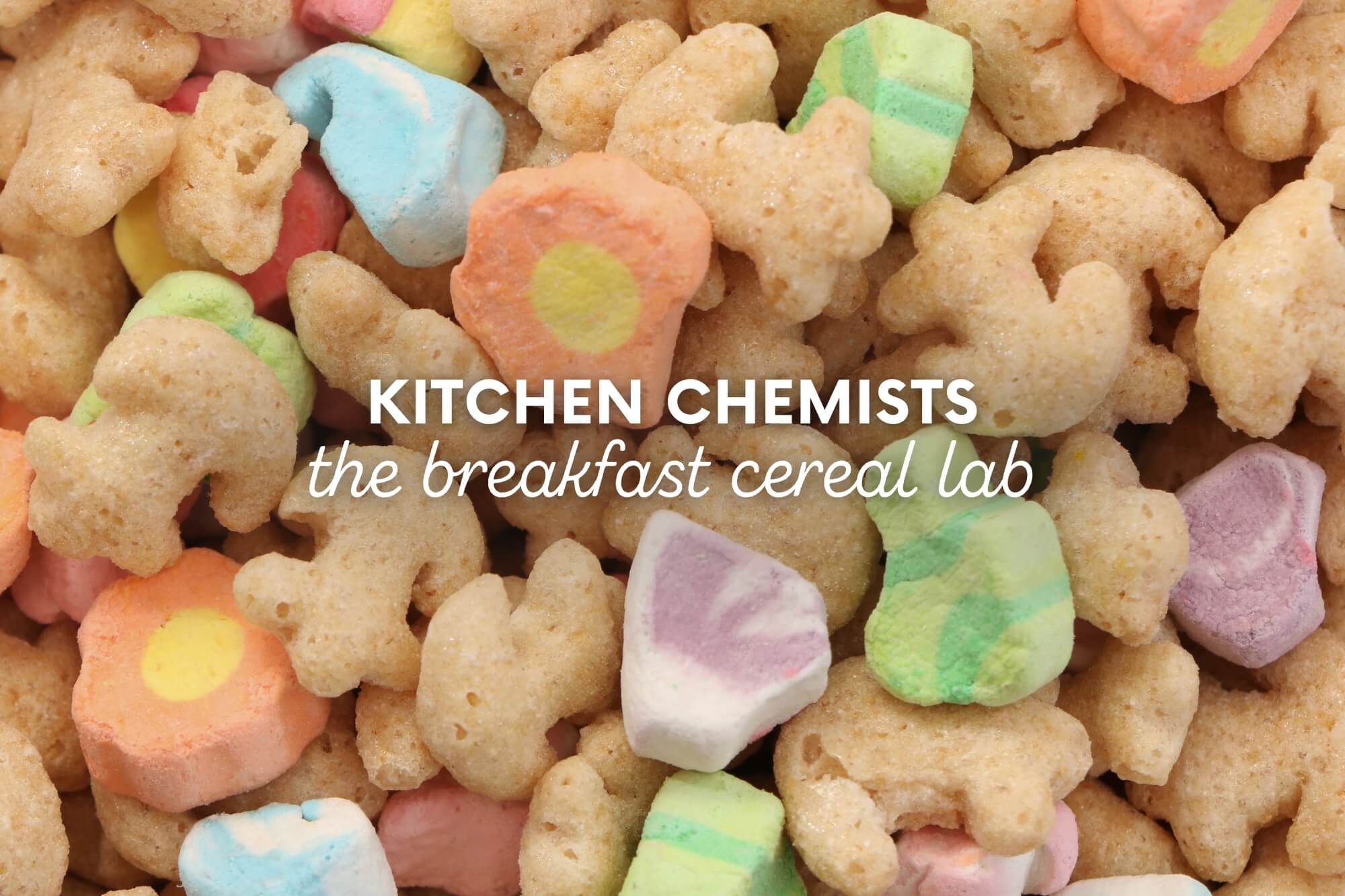
Kitchen Chemists: The Cereal Lab turns the most ordinary bowl on the table into a full science investigation.
You've probably watched your kid stare at their cereal going soggy and either complain about it or start timing it. Either way, that curiosity is the whole engine of this class. Over three sessions, students don't just observe — they hypothesize, test, measure, graph, and engineer their way through the science hiding inside something they eat every single day.
Day 1 opens with a question that sounds simple and turns out not to be: why do some cereals stay crunchy longer than others? Students make predictions, run absorption tests, measure sogginess over time, and graph their results — discovering that shape, density, coating, and texture all play a role. Real variables. Real data. Real science.
Day 2 brings the moment nobody sees coming. Students examine a nutrition label, notice the word "iron," and then — using a magnet — actually pull iron particles out of crushed cereal. The room stops. That one moment opens the door to elements, minerals, fortified foods, and what it means that we eat metal every morning and it's completely fine.
"Wait… we eat IRON?!"
Day 3 hands the lab over to the students. Armed with everything they've learned about absorption, coating, and density, they become cereal engineers — designing a blend that meets a real set of criteria: it has to taste good, stay crunchy in milk, and have an interesting shape. They test it, refine it, and present their Cereal Scientist Report.
This class works for all ages because the questions scale naturally — a younger student can observe and predict while an older one digs into the chemistry behind what they're seeing. And because it was built with neurodivergent learners in mind from the start, every step is hands-on, every concept is something they can see and touch, and there's always more than one way to engage.